4 Oct 2026
Mapping Player Safeguards Across Roulette Wheel Formats in Swiss Handheld Casino Setups with Varied Transaction Methods
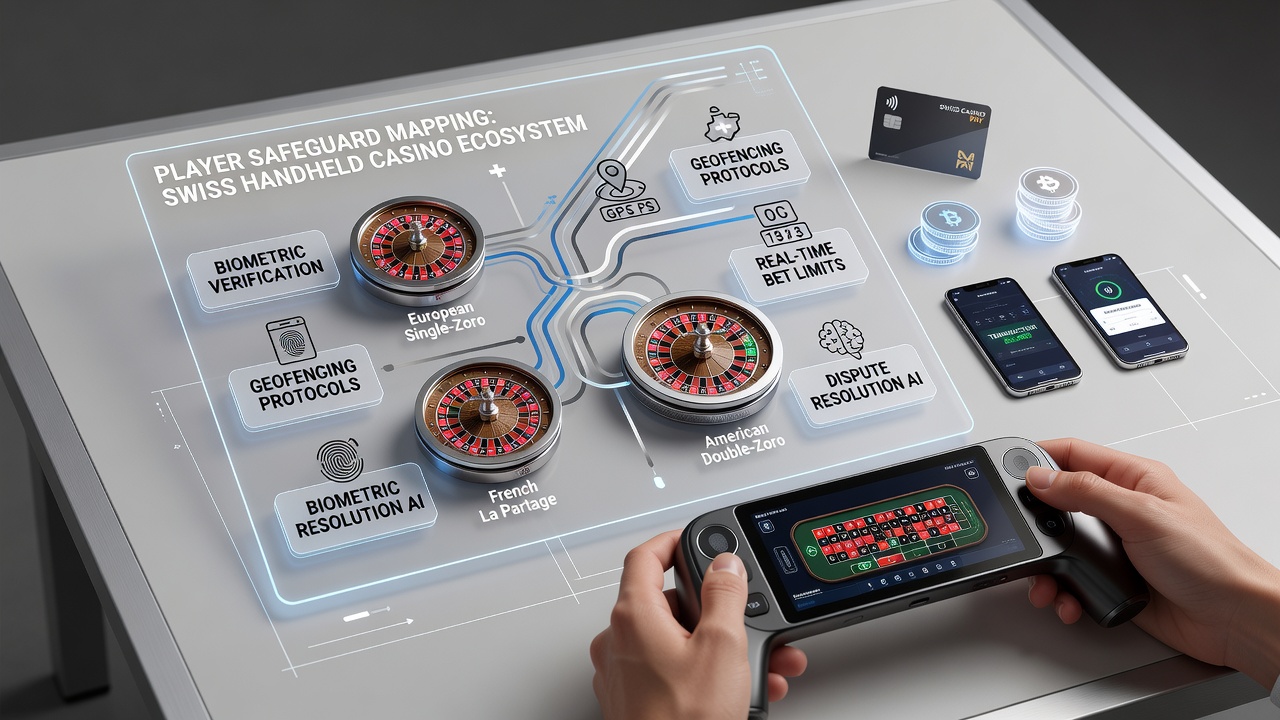
Swiss handheld casino setups operate under the Federal Act on Games of Chance and Casinos, which requires licensed operators to embed player safeguards directly into mobile platforms that support multiple roulette variants and payment channels. European single-zero wheels, American double-zero wheels, and French wheels with La Partage or En Prison rules each appear in the same portable applications, yet the safeguards that accompany them adjust according to wheel type and the transaction method selected for deposits or withdrawals.
Regulatory Framework for Mobile Roulette in Switzerland
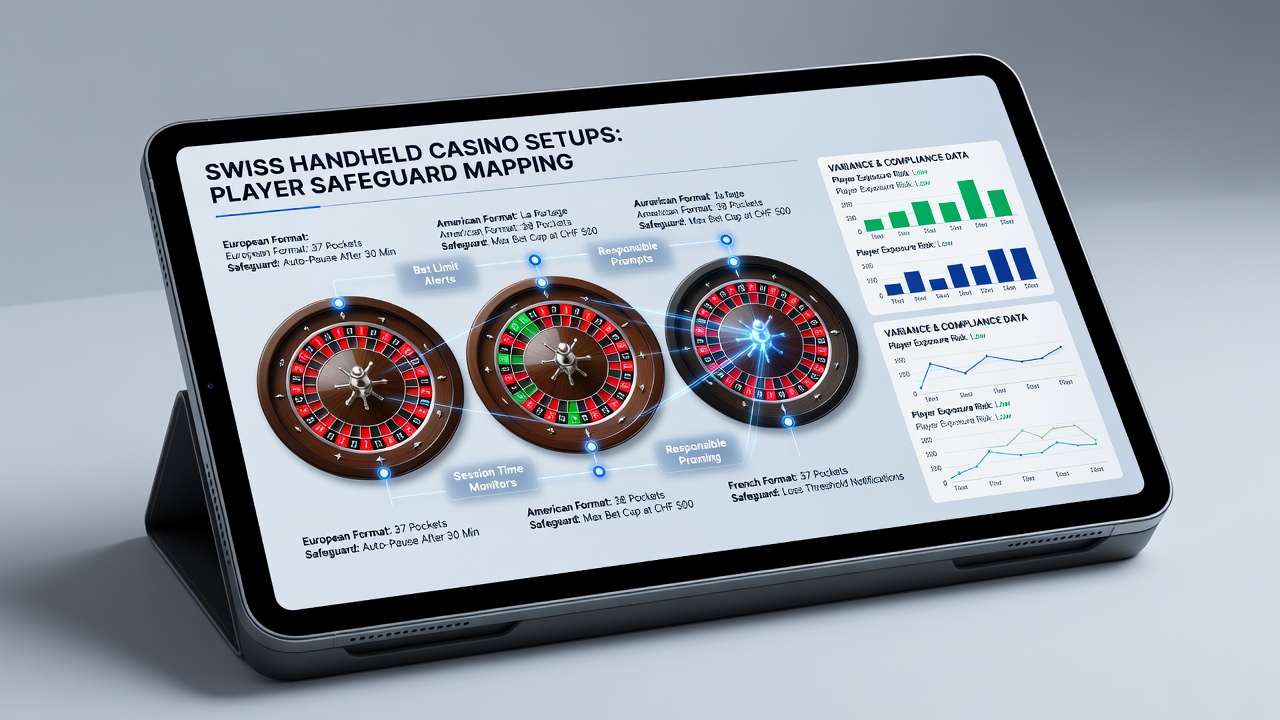
Observers note that the Swiss regulatory environment mandates real-time monitoring tools across all handheld devices, and data from licensed platforms shows these tools activate automatically when players switch between wheel formats. European and French wheels trigger standard loss-limit prompts, whereas American wheels activate additional session-time alerts because the house edge differs. Transaction methods such as bank transfers, prepaid cards, and e-wallets connect to the same central responsible-gambling dashboard, allowing operators to apply uniform deposit caps regardless of the chosen funding source.
How Wheel Formats Influence Safeguard Triggers
Researchers tracking Swiss mobile roulette usage report that French-wheel sessions record higher activation rates for reality-check pop-ups than European-wheel sessions, even when total betting volume remains comparable. This pattern emerges because French rules return half the stake on even-money bets during zero outcomes, prompting systems to flag extended play earlier. American-wheel formats, with their two zeros, generate automatic warnings after fewer spins in handheld environments, and operators link these warnings to the same transaction logs that record card or wallet activity. Studies conducted by European gaming research groups indicate that these differentiated triggers reduce average session length by measurable margins across all three wheel types when accessed on tablets or smartphones.
Transaction Methods and Their Connection to Safeguards
Payment channels used in Swiss handheld casinos integrate directly with safeguard protocols. Bank-transfer deposits require confirmation of source accounts before funds reach the roulette balance, and this verification step cross-references existing spending limits set for that player profile. Prepaid-card transactions trigger immediate balance checks against daily or weekly caps, while e-wallet transfers update the central dashboard in real time so that any limit breach blocks further deposits across every roulette variant. Figures released by Swiss oversight bodies reveal that platforms using multiple transaction options maintain consistent safeguard enforcement because the payment gateway feeds data into one monitoring system rather than separate modules for each wheel format.
October 2026 Platform Updates and Ongoing Adjustments
Platform updates scheduled for October 2026 introduce enhanced geo-location checks that verify Swiss residency before any roulette session begins, and these checks apply uniformly whether a player selects a European, American, or French wheel. The same update requires transaction-method providers to share anonymized spending-pattern data with licensed operators, enabling earlier detection of limit exceedances across handheld devices. Industry reports prepared by research institutions in Canada and Australia document similar cross-format safeguard mapping in other regulated markets, confirming that unified dashboards improve compliance without restricting game variety.
Implementation Across Handheld Devices
Operators deploy the safeguards through application programming interfaces that connect wheel-selection screens to the responsible-gambling engine and the payment processor simultaneously. When a player opens a handheld app and chooses an American wheel, the system loads the corresponding alert thresholds while displaying available transaction methods that already respect the player's current limits. French-wheel selections activate an additional loss-rebate notification tied to the La Partage rule, and this notification appears before the first bet is placed. Data collected from Swiss-licensed applications shows that these layered prompts maintain player engagement while satisfying regulatory reporting requirements for all payment channels.
Conclusion
Swiss handheld casino setups demonstrate that player safeguards can map consistently across roulette wheel formats when transaction methods feed into a single monitoring framework. Regulatory requirements, wheel-specific triggers, and payment-channel integrations work together to deliver measurable protections, and scheduled refinements in October 2026 continue this coordinated approach. Evidence from multiple jurisdictions supports the observation that unified systems deliver compliance across diverse game variants and funding options without fragmenting the user experience.